.png)
discover singapore's underground music scene
Lee De Kuan & Suha Fakrudin
20 Mar 2025
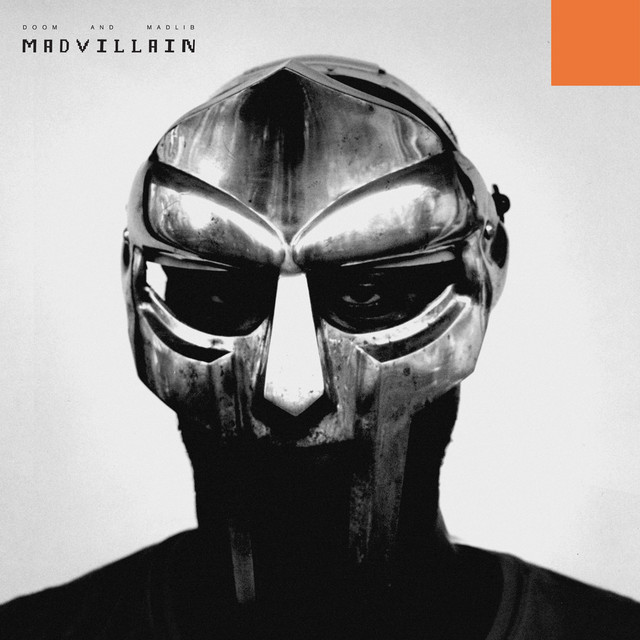
Few hip-hop albums have achieved the cult status of Madvillainy, the 2004 collaboration between MF DOOM and Madlib. Stripped of mainstream conventions, the album is a dense, surreal, and highly experimental journey that challenges listeners with cryptic lyricism, unconventional production, and a disregard for traditional song structures. Rather than adhering to a straightforward narrative or theme, Madvillainy thrives on mood, wordplay, and an almost mythological aura surrounding its creators.
Madlib’s production on Madvillainy is unlike anything else in hip-hop. Created mostly using a portable sampler and an array of obscure jazz, soul, and library music records, the beats feel lo-fi yet profoundly textured. He avoids the polished, structured loops common in early 2000s hip-hop, instead crafting beats that feel fleeting, like half-formed thoughts or chopped fragments of an old radio broadcast.
Take Accordion, for example. The main instrumental is built around a wavering accordion sample, minimal drums, and an eerie, off-kilter atmosphere. It shouldn’t work as a rap beat, but in Madlib’s hands, it becomes hypnotic. Meat Grinder follows a similar pattern, built on a swirling guitar sample that sounds both psychedelic and menacing.
The album’s interludes and snippets of obscure dialogue, such as those in Operation Lifesaver aka Mint Test or Rainbows, add to the album’s dreamlike quality. Tracks like Shadows of Tomorrow break convention entirely, with Madlib (as his alter ego, Lord Quas) rapping over a beat that never fully locks into a groove, making it feel more like a poetic mantra than a rap song.
MF DOOM is at his peak on Madvillainy, weaving together dense, multi-syllabic rhyme schemes packed with obscure references, dark humour, and a near-total disregard for typical song structure. Instead of hooks and catchy choruses, DOOM delivers verses that feel like streams of consciousness, packed with layered metaphors and absurdist imagery.
On Meat Grinder, he raps: “Tripping off the beat kinda, dripping off the meat grinder / Heat niner, pimping, stripping, soft sweet minor” The meaning isn’t immediately clear, and that’s part of the appeal, DOOM’s writing rewards deep listening, inviting fans to dissect and analyse his cryptic bars.
Then there’s Figaro, one of the most technically impressive lyrical displays on the album. DOOM crams more internal rhymes into a single verse than most rappers would in an entire album: “The rest is empty with no brain but the clever nerd / The best emcee with no chain ya ever heard” Each line flows seamlessly into the next, creating a rhythm that’s just as important as the meaning of the words themselves. DOOM often raps in a way that prioritises sound over conventional storytelling, making Madvillainy feel more like an auditory puzzle than a straightforward rap album.
One of Madvillainy’s defining traits is its refusal to adhere to typical song structures. Many tracks are under two minutes long, fading in and out as if they were stolen radio transmissions rather than complete songs. Bistro, for example, isn’t even a rap track, it’s more like a surreal introduction to an underground jazz club, with DOOM acting as the mysterious host.
This fragmented approach makes the album feel chaotic and unpredictable. Songs like Sickfit are pure instrumentals, while others, like Fancy Clown, feature guest vocals from DOOM’s alter ego, Viktor Vaughn, rapping about a bitter breakup over a chopped-up soul sample.
The album's pacing is relentless. There’s no filler, no radio-friendly singles, and no attempts to cater to mainstream tastes. Instead, it feels like a direct transmission from an alternate hip-hop universe where the rules of the genre have been rewritten.
Despite its unorthodox nature, Madvillainy has had a lasting impact on hip-hop. It redefined what a rap album could be, proving that structure and accessibility weren’t necessary for a project to be considered a classic. Its influence can be seen in artists like Earl Sweatshirt, Tyler, The Creator, and Open Mike Eagle, who have all embraced DOOM’s abstract approach to lyricism and Madlib’s left-field production style.
Even after two decades, Madvillainy remains one of the most unique and beloved albums in hip-hop. It’s not just an album, it’s an experience, a world unto itself, where comic book villains drop cryptic poetry over jazz-infused beats and conventional rap rules don’t apply.
Madvillainy isn’t for everyone. It doesn’t offer easy entry points, catchy hooks, or accessible themes. But for those willing to immerse themselves in its intricate production, dense wordplay, and unpredictable structure, it offers a listening experience unlike any other. It’s an album that doesn’t just reward repeat listens; it demands them.
Whether you consider it a masterpiece or an enigma, one thing is certain: Madvillainy is an album that stands in a category of its own, forever cemented as a cornerstone of underground hip-hop.