.png)
discover singapore's underground music scene
Lee De Kuan & Suha Fakrudin
20 Mar 2025
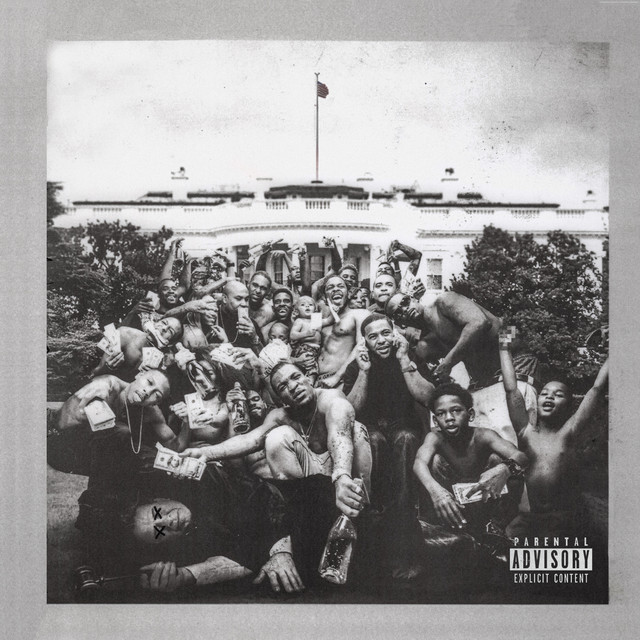
Few albums in music history can claim to be as culturally, sonically, and lyrically groundbreaking as To Pimp a Butterfly. Released in 2015, Kendrick Lamar’s magnum opus is more than just a rap album, it’s a dense, multi-layered artistic statement that transcends genre, speaks to the soul of a generation, and cements Lamar’s status as one of the greatest storytellers in modern music.
One of the most striking aspects of To Pimp a Butterfly is its sound. Unlike conventional hip-hop albums, Lamar fuses jazz, funk, soul, and spoken word with hip-hop in a way that feels both fresh and deeply rooted in Black musical history. With production contributions from Thundercat, Flying Lotus, Terrace Martin, and Pharrell, the album’s instrumentation is alive — vibrant, raw, and unpredictable.
The opener, Wesley’s Theory, sets the stage with a Parliament-Funkadelic-inspired soundscape laced with George Clinton’s unmistakable voice. It presents the central theme of the album: fame as a corrupting force. King Kunta follows with a rebellious, G-funk-infused anthem that flips the narrative of Alex Haley’s Roots. It casts Kendrick as a modern-day Kunta Kinte, once enslaved but now powerful, yet still oppressed in different ways.
Lamar doesn’t just experiment with sound, he bends it to match emotion. The chaotic, self-loathing u features a dizzying, unsteady instrumental as Kendrick spirals into a drunken breakdown, reflecting his inner demons. In contrast, Alright is sonically uplifting, using Pharrell’s breezy production to deliver a message of perseverance that became an anthem for the Black Lives Matter movement.
To Pimp a Butterfly isn’t just an album, it’s a journey into the mind of a man grappling with his identity, success, and the weight of Black history. Kendrick crafts an ongoing poetic monologue throughout the album, unfolding in pieces until it fully reveals itself on Mortal Man, the final track.
A key moment in the album’s narrative is Institutionalized, in which Kendrick reflects on how systemic oppression doesn’t disappear with success; it follows him. He juxtaposes his newfound fame with the struggles of his friends still trapped in cycles of violence. This theme deepens on These Walls, a deceptively smooth neo-soul track that initially appears to be about lust but gradually reveals itself as a meditation on karma, revenge, and generational trauma.
One of the most haunting moments comes in How Much a Dollar Cost, a storytelling masterclass inspired by Lamar's real-life encounter with a homeless man. The song builds tension as Kendrick refuses to give the man money, only for the stranger to reveal himself as God, testing his faith. The message is clear: wealth, both material and spiritual, is meaningless without compassion.
Then comes The Blacker the Berry, a ferocious, politically charged track where Kendrick delivers his most intense, unfiltered verses on racial identity, hypocrisy, and the anger that stems from systemic injustice. The final lines reveal a gut-wrenching contradiction: while he fights against racial oppression, he also participates in the cycle of violence by being complicit in the death of his own people. This self-awareness and willingness to confront uncomfortable truths elevates the album beyond simple activism, it’s raw, complex, and brutally honest.
Few albums have resonated with audiences in the way To Pimp a Butterfly has. It isn’t just a reflection of its time, it has shaped conversations about race, power, and artistic responsibility. The album has been studied in universities, referenced in political movements, and continues to be dissected years later.
At a time when hip-hop was dominated by commercialised trap music, Lamar delivered an album that demanded patience, thought, and emotional engagement. It wasn't made for radio, it was made for history. To Pimp a Butterfly proved that hip-hop could be high art, as socially relevant as any protest speech and as musically innovative as any jazz classic.
What makes To Pimp a Butterfly the greatest album ever isn’t just its ambition, it’s the fact that it flawlessly executes its vision. It is musically daring, thematically profound, and culturally immortal. No album before or after has captured the complexities of Black life in America with such poetic brilliance, and no artist has ever balanced mainstream success with uncompromising artistic integrity like Kendrick Lamar.
From its impeccable production to its timeless message, To Pimp a Butterfly is not just the best rap album of all time, it is the greatest album in music history, period.