.png)
discover singapore's underground music scene
Lee De Kuan & Suha Fakrudin
13 Feb 2025
There are two defining elements prevalent throughout this track: the aggressive strumming of guitar chords and Neutral Milk Hotel frontman Jeff Mangum’s achy and eerie vocal style. The rawness of his voice, paired with the abrasive strumming, perfectly encapsulates the song’s essence — a haunting, post-disaster reflection on life before a world war. The song’s verses are structured like a pop song, with a catchy hook that leaves as strong an impression as the powerful lyrics and intent behind them.
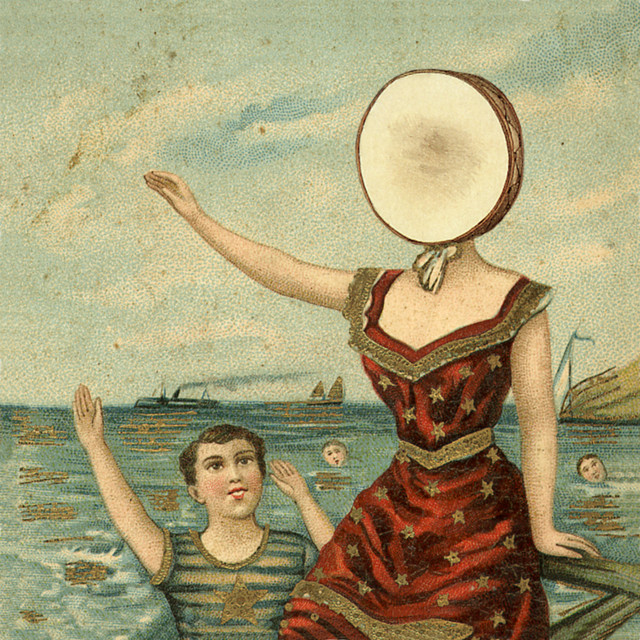
The lyrics evolve from a sense of innocence to one of trauma and unease, mirroring the shift from childhood to the horrors of the war. The song is often said to draw inspiration from World War II, with the album itself rumoured to be influenced by Anne Frank's diary. Mangum’s trembling vocals convey the fragility of life in a time of survival and the insecurity brought by war. The childlike tone of the lyrics underscores nostalgia, then warped into a disturbing image by the devastating realities witnessed during war. Each lyric grows increasingly melancholic, with Mangum reflecting on life, even from the perspective of the grave, and contemplating his own death with a sense of curiosity yet sorrow.
The song operates in a realm of past and future, avoiding any sense of the present. Its lyrics weave abstract imagery and historical references into a disillusioned narrative, exploring the fleeting nature of life and existence, tinged with heartbreak. The brass section elevates the track, creating a surreal and protective bubble where the singer seems to find some semblance of comfort. Ultimately, the song celebrates the strange beauty of life while confronting its inherent darkness.
This track has cemented itself as an indie folk classic, pioneering unconventional songwriting and embodying raw human emotion. While its elements combine to create a piece that is challenging to interpret, it resonates deeply with listeners, even decades later. It stands out as a poignant reminder of life’s fragility and the true reality of death.