.png)
discover singapore's underground music scene
Chloe
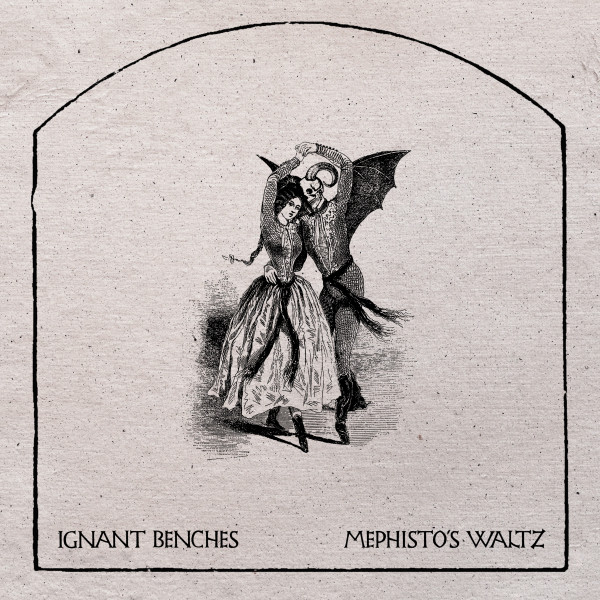
Benches' Mephisto's Waltz is a hypnotic track that sees the band embracing a darker & more atmospheric direction. Released in 2020, the garage rock track is characterised by its fuzzy sound effects & infectious melodies, immediately piquing the interest of the unaware listener. To deepen the experience while offering a comforting and dependable soundscape, the track also incorporates elements of indie rock, & lo-fi, striking the perfect balance between the unlikely duo. The title references classical composer Franz Liszt’s Mephisto Waltzes, which depict the devil leading an unsuspecting victim into a frenzied dance, thrusting the pitiful individual into a never-ending personal hell of rollercoasters — both physical and emotional. In Benches’ single, the demon, Mephistopheles, can be seen dancing, or in this case waltzing, with a woman. Those themes of temptation & self-ruin are woven into the song’s haunting tune, making it feel like a slow, yet all the more daunting, descent into something inescapable, causing a thrilling rush of adrenaline and fear to flow throughout the listener’s entire body.
From the very first notes, the song engulfs the listener in an enchantingly devious mix of reverb-drenched guitars & a pulsing, steady rhythm, creating a dreamlike yet uneasy atmosphere, with the vocals of Anson Kelly taking on the role of a first-person narrator. The sparse instrumentation mirrors the feeling of apprehensive contemplation in the opening lyrics “Sad day / Caught a glimpse of hell today”. The narrator seems to be reflecting on an unsettling experience, recognising their odd feelings, yet unable to pinpoint those feelings to the problem. Without a doubt, this uncertainty of the root causes of troubling matters both heightens the suspense of the situation and allows listeners to find comfort in a common experience of being in an illogically sour mood.
As the first chorus hits, the repeated line, “Glad to miss Mephisto’s awful Waltz” references Mephistopheles, from the German folk legend, Faust. In the story, the main character, Faust, sells his soul to the Devil by making a deal with Mephistopheles. These lyrics are interpreted to tell of the narrator’s awareness of the danger that lies before them, as if they are on the verge of giving in to something unimaginably destructive, like a cursed deal with the Devil. The swelling of the guitars is layered with a hazy wash, imposing on the listeners the overwhelming sensation of being trapped and constrained in a hauntingly moment that seems to drag beyond the ends of time, one that seems to terrorise even the tiniest sliver of light from entering, one that seems to be hopelessly inescapable. Along the same vein of weaving in magical elements, the second verse references casting spells onto past encounters, warping and changing the course of past events into a desirable outcome. This suggests a power struggle between the narrator himself and his past, which is both unforgettable and occasionally regrettable, as well as his rash attempts to stop indulging in old, sticky habits. The production follows the lyrics—while the rhythm keeps things grounded, the guitars weave an intoxicating, dreamlike effect.
By the final chorus & outro, the song has reached its crest, its most immersive point, like a festive ship, loud and illuminated for that last party before the journey's end, perched on the dizzy top of the dark wave. The instrumentation grows denser & louder, its blaring and deeper beats wrapping around the listener like a fog, consuming their body, soul and mind. The outro lyrics “This is it, the final free fall does him in” is the mic-drop and final moment just before the narrator goes past the point of no return. In the folk legend, Faust eventually makes a deal with Mephistopheles, unable to back out. In this song, the narrator ends up in a situation that leads to their downfall. mirrors the music in this descent, with the layers building upon each other, pushing the tension to its peak before slowing down & eventually dissipating, paralleling the loss of the narrator’s former self, consumed by temptation & greed.
Ultimately, Mephisto’s Waltz is a captivating journey through the effects of allurement & self-destruction, all through a seemingly simple song. Its haunting pauses link with the evocative lyrics, pulling listeners into a world of internal conflict & consequences. Benches masterfully craft a dark & introspective experience, and this is a song one could listen to, ponder & contemplate while bobbing their head to an intoxicating beat.